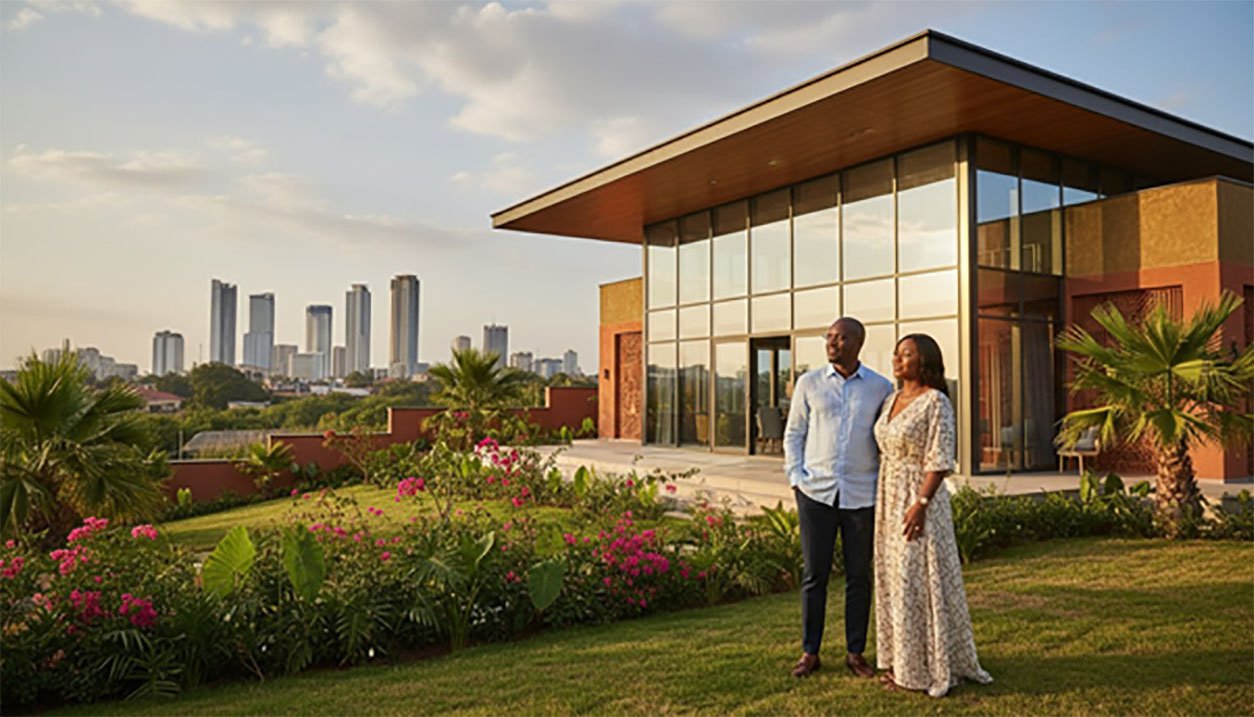
Welcome to your complete guide for purchasing property in Ghana. Whether you are a local resident, a Ghanaian living abroad, or an international investor, the real estate market offers significant opportunities. This guide is designed to help you discover everything you need to know about finding, vetting, and purchasing your dream home in Ghana with confidence.
Understanding the Ghanaian Property Market in 2026
The Ghanaian property market continues to be one of West Africa's most dynamic and promising sectors. Driven by political stability, economic growth, and increasing urbanisation, demand for quality housing remains strong. As a prospective buyer in 2026, you can expect a diverse market with a wide range of properties, from affordable apartments to luxury villas. Understanding the current trends is the first step toward making a smart investment in a nation that is both a hub for business and a beacon of vibrant culture.
Popular Types of Houses You Can Buy
Ghana’s real estate landscape offers a variety of housing styles to suit different lifestyles and budgets. Understanding these options will help you narrow down your search:
Apartments: Perfect for young professionals, couples, and as rental investments, apartments are a popular choice in urban centres like Accra. They offer convenience, modern amenities, and are often located in prime city areas.
Detached & Semi-Detached Houses: These are ideal for families seeking more space, privacy, and a private garden. You can find them in both established neighbourhoods and new developments across the country.
Estate Houses: Located within planned, gated communities, estate houses provide enhanced security, shared amenities like parks and pools, and a strong sense of community. They are a top choice for families and expatriates.
Luxury Villas: For those seeking premium living, luxury villas offer expansive spaces, high-end finishes, and exclusive features. These properties are typically found in the most prestigious neighbourhoods.
Top Regions and Cities for Property Investment
Location is everything in real estate. While Accra is the epicentre of activity, several other regions offer unique advantages for homebuyers:
- Greater Accra: As the nation's capital and commercial hub, Accra offers the widest variety of properties and the most active market. Neighbourhoods like East Legon, Cantonments, and Airport Residential Area are highly sought after.
- Ashanti Region (Kumasi): Ghana's second-largest city is a growing cultural and business centre with a more affordable property market than Accra, offering excellent value for money.
- Western Region (Takoradi): The growth of the oil and gas industry has fuelled real estate development in Takoradi, making it a strategic location for investment properties.
- Eastern Region: For those seeking a more tranquil lifestyle away from the urban hustle, the Eastern Region offers serene living options with beautiful landscapes, all within a reasonable distance of Accra.
Your Step-by-Step Guide to Buying a House in Ghana
Navigating the property buying process can seem complex, but our roadmap simplifies the journey for you. By following these essential steps, you can ensure a secure, transparent, and successful purchase, from your initial search to the moment you get your keys.
Step 1: Define Your Budget and Secure Financing
Before you begin your search, it is crucial to establish a clear budget. Assess your finances to determine what you can realistically afford. If you require a loan, explore mortgage options available from various Ghanaian banks, many of which offer products for both residents and non-residents. Remember to account for costs beyond the purchase price, such as the Agent's commission, legal fees, stamp duty, and property registration fees, which can add a significant amount to your total investment.
Step 2: Find Your Ideal Property
With your budget in place, you can start the exciting process of searching for your home. The most efficient way to begin is to use a trusted online portal to browse thousands of listings from across the country. On a comprehensive platform, you can filter your search by location, property type, price, and other features to quickly narrow down your options. Once you have a shortlist of properties, schedule viewings to experience them in person. Discover thousands of verified listings on AU-Homes to start your search with a reliable partner.
Step 3: Conduct Essential Due Diligence
This is the most critical stage in protecting your investment. It is highly recommended that you hire a reputable lawyer who specialises in real estate to guide you. Your lawyer will conduct an official title search at the Lands Commission to confirm that the seller has the legal right to sell the property and that it is free from any disputes or liens. You should also verify the seller's identity and physically inspect the property to confirm its boundaries and condition match the official documents.
Step 4: Make an Offer and Complete the Purchase
Once your due diligence is complete and you are satisfied with the property, you can make a formal offer. After negotiating and agreeing on the price and terms with the seller or their agent, your lawyer will draft a Sale and Purchase Agreement (SPA). This legally binding document outlines all the conditions of the sale. Upon signing, you will typically make the final payment, and the seller will transfer the title documents to you. The final step is to have your lawyer register the property in your name at the Lands Commission to secure your legal ownership.
Related posts:
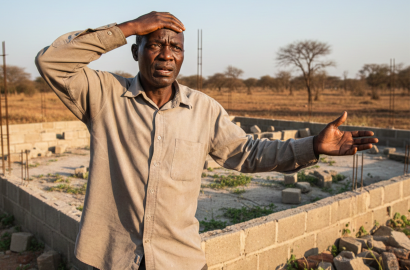
Landing in Lagos or Accra should be a triumph, but for many, it’s a heartbreak. You’ve sent funds for a villa, yet you find only a foundation. This is The Cousin Trap in Africa—where family loyalty meets financial mismanagement. To...

EXPO REAL 2026 is the essential "working fair." In a market where high interest rates are finally becoming a predictable baseline rather than a shock, this event is where the industry stops talking about "potential" and starts signing the checks...
 Escaping the Cousin Trap: Why Building in Africa Requires More Than Family Loyalty
 EXPO REAL 2026: The Power Dynamics: Who Holds the Keys?
 Beyond the Concrete: Why MIPIM 2026 is the Critical Turning Point for Global Capital
 The Concrete Graveyard: How Stolen Billions are Rebuilding the African Skyline
 Houses for Sale in Ghana: The Ultimate 2026 Buyer's Guide